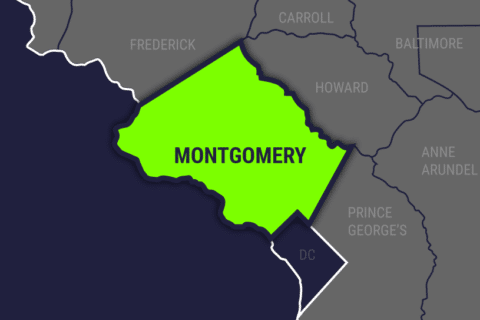

Montgomery County Office of Procurement to Host Annual Procurement Fair on Wednesday, Nov. 5 in Silver Spring
October 22, 2025
Loss Of Six Flags, Commanders Opens Door For New Prince George’s County Destinations
October 26, 2025
COMMENTARY | When the Trump administration decides it can spend money from any budget account on anything it wants and not spend appropriated funding, there are no limits to the president’s budgetary powers.
When the government shutdown ends, Donald Trump will have succeeded in staging the single biggest expansion of presidential power in American history because of the single largest shift in the constitutional balance of powers ever.
In fact, he (but more particularly, his team) has been so successful at maneuvering through this shutdown that there’s no reason for them to end it. Democrats have called on Trump to get more involved in the negotiations. They’ve gotten little more than a shrug in return. The Republicans are winning, and Vegas card players know never to leave a winning hand on the table.
The Republicans are using two of the big tools to shape governmental action: the power of the purse, which funds what government does; and the power of government bureaucrats, who make it work. The former is the engine. The latter are the wheels. And by vastly expanding the administration’s leverage over both, it—especially OMB Director Russ Vought—is in the driver’s seat.
This is vastly more important than Elon Musk’s Department of Government Efficiency, an unguided bulldozer rambling through government. Vought’s strategy is all out of a single piece of carefully woven cloth.
Start with the engine: the federal budget. Madison, in Federalist #58, made it clear why the founders, concerned with the prospect of a strong executive, vested the power of the purse with the Congress. It was, he wrote, the “most complete and effectual weapon with which any constitution can arm the immediate representatives of the people”. There are two vital components of this: the president cannot spend money for purposes not authorized in law; and that the president cannot pick which programs he wants to spend money on and on which he does not.